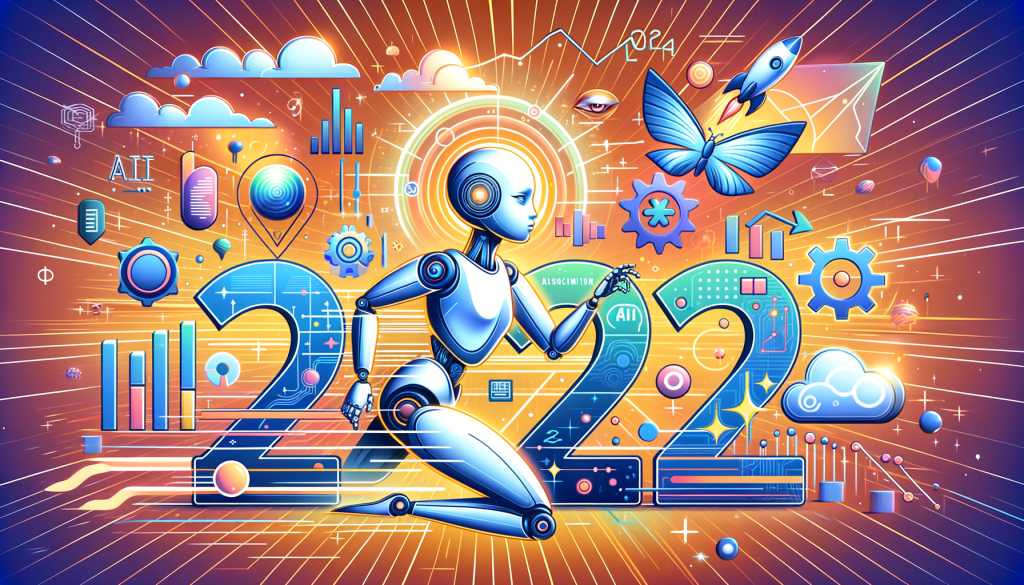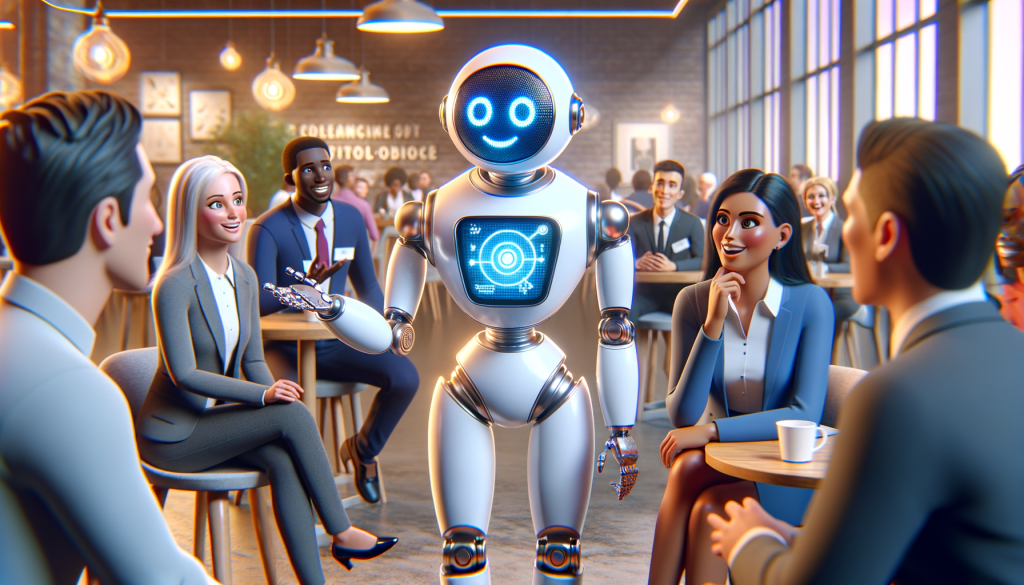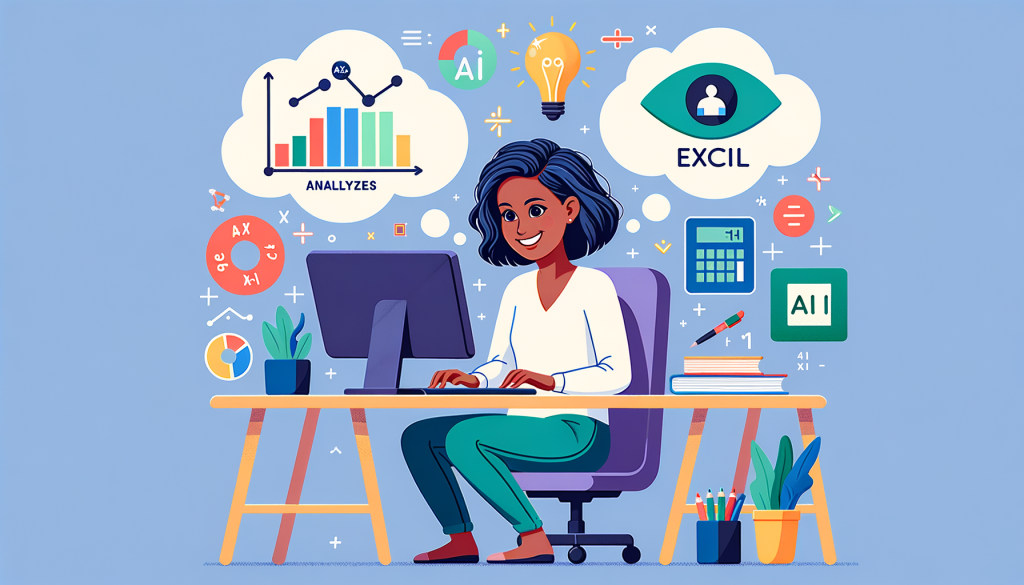
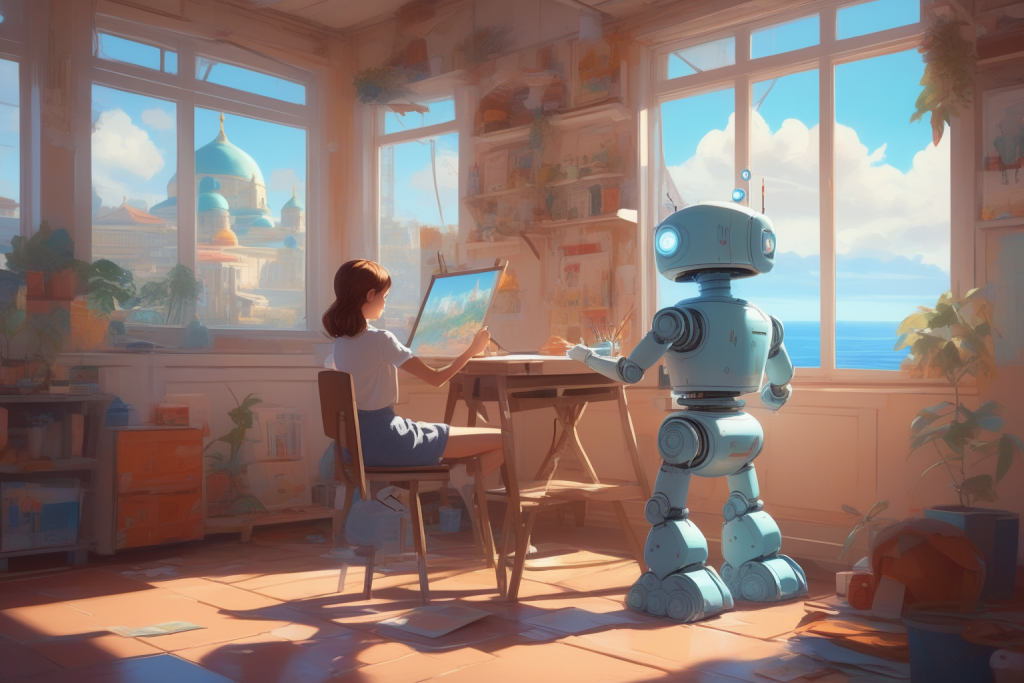
The integration of DALL-E, an AI system capable of generating images from textual descriptions, into the conversational AI model ChatGPT has marked a significant leap in the accessibility of generative AI for the general public. This combination has democratized the use of AI-powered creative tools, enabling users to generate complex images simply by describing their vision in natural language during a chat session.
DALL-E, which derives its name from the surrealist artist Salvador Dalí and the Pixar movie character WALL-E, was initially introduced by OpenAI as a standalone model that could create images from text prompts. Its ability to produce novel, detailed, and contextually relevant images from a wide range of descriptions showcased the potential of generative AI in the visual arts. Now, as part of ChatGPT, DALL-E’s capabilities are even more user-friendly and intuitive, bringing this powerful technology to a non-technical audience.
The process is seamless: during a conversation, a user can describe an image they would like to create, and DALL-E within ChatGPT will generate it. For example, one might ask for “a futuristic cityscape at sunset,” and the AI would provide a visual representation of that concept. The tool respects creative constraints, such as avoiding the generation of images of living public figures or copyrighted characters, ensuring that the creations are unique and respectful of intellectual property laws.
This integration has implications for various sectors, including education, where students can visualize historical events or scientific concepts; marketing and design, where professionals can quickly mock up visual ideas; and entertainment, where writers can bring scenes from their stories to life.
As this technology becomes more refined and widely adopted, the conversation around ethical AI use and the protection of artistic expression continues to evolve. OpenAI’s decision to make DALL-E available through ChatGPT aligns with its broader mission to ensure that AI technology benefits all of humanity, providing a tool that is not only powerful but also aligned with responsible AI practices.
What is DALL-E 3
DALL-E 3 is an AI model developed by OpenAI that can generate creative and realistic images from textual descriptions. It is the third iteration of the DALL-E series, which stands for “DALL-E: A Language Model for Image Generation”, combining the name of the famous surrealist artist Salvador Dalí and the Pixar character WALL-E to reflect its creative and generative capabilities.
This model is part of a broader category of AI known as generative adversarial networks (GANs), which learn to create content that is similar to the content they are trained on. However, DALL-E uses a different approach that combines concepts from GANs with a transformer-based neural network architecture, which is particularly effective for understanding and generating human language.
DALL-E 3 can take a simple or complex textual description and bring it to life in the form of an image, which can include anything from realistic photographs to fantastical scenes, depending on the input provided. The images generated by DALL-E 3 can be highly detailed and exhibit a strong understanding of objects, their attributes, and how they interact. It is a significant step in AI’s ability to understand and create visual content from textual descriptions, showcasing the intersection of language and visual understanding.
How to proceed using DALL-E through ChatGPT
To proceed with using DALL-E through ChatGPT, you would typically follow these steps:
- Access ChatGPT: You can interact with ChatGPT through OpenAI’s platform or through any other interface that offers access to the model.
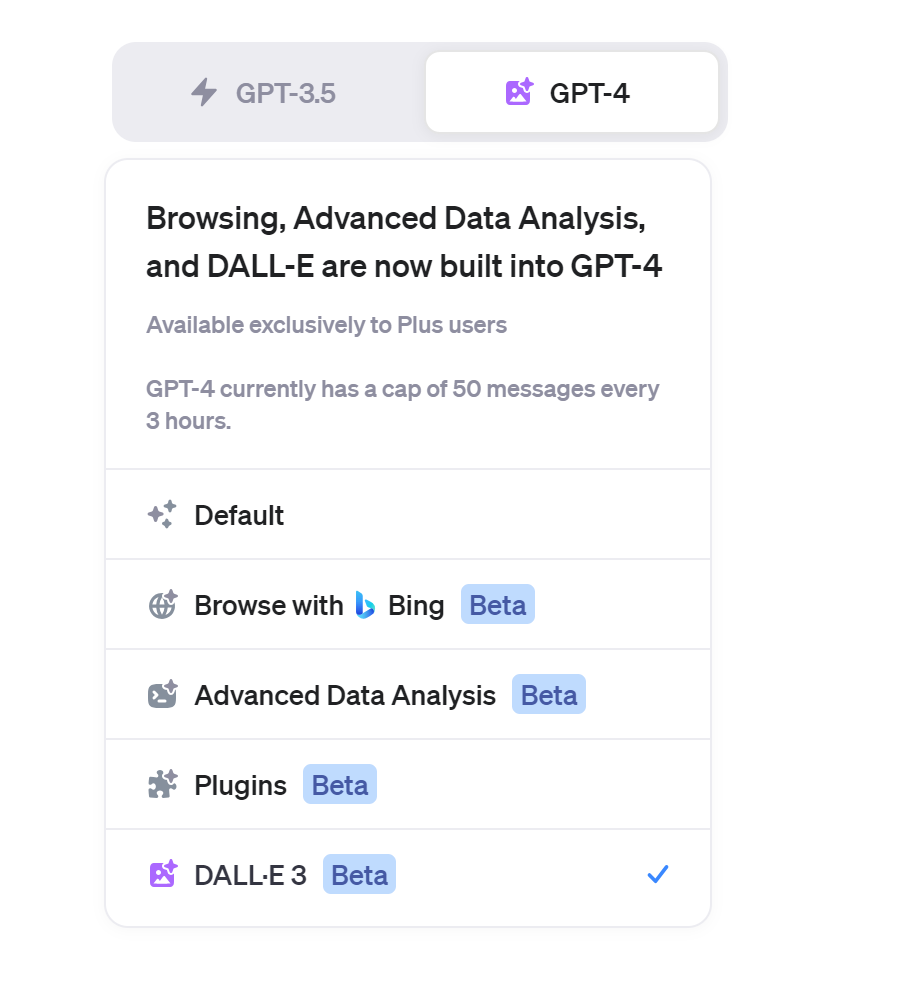
- Provide a Description: Once you are chatting with ChatGPT, you simply need to provide a text description of the image you want to generate. Be as detailed as possible to get the best results.
- Generation: ChatGPT will process your request and use DALL-E to generate the image based on your description.
- Review and Refine: After the image is generated, you can review it and, if needed, ask for adjustments by providing more detailed descriptions or by specifying changes.
- Download or Share: Once you are satisfied with the generated image, you can typically download it or share it directly from the platform you are using. You just need to click to enlarge the image and then download it.
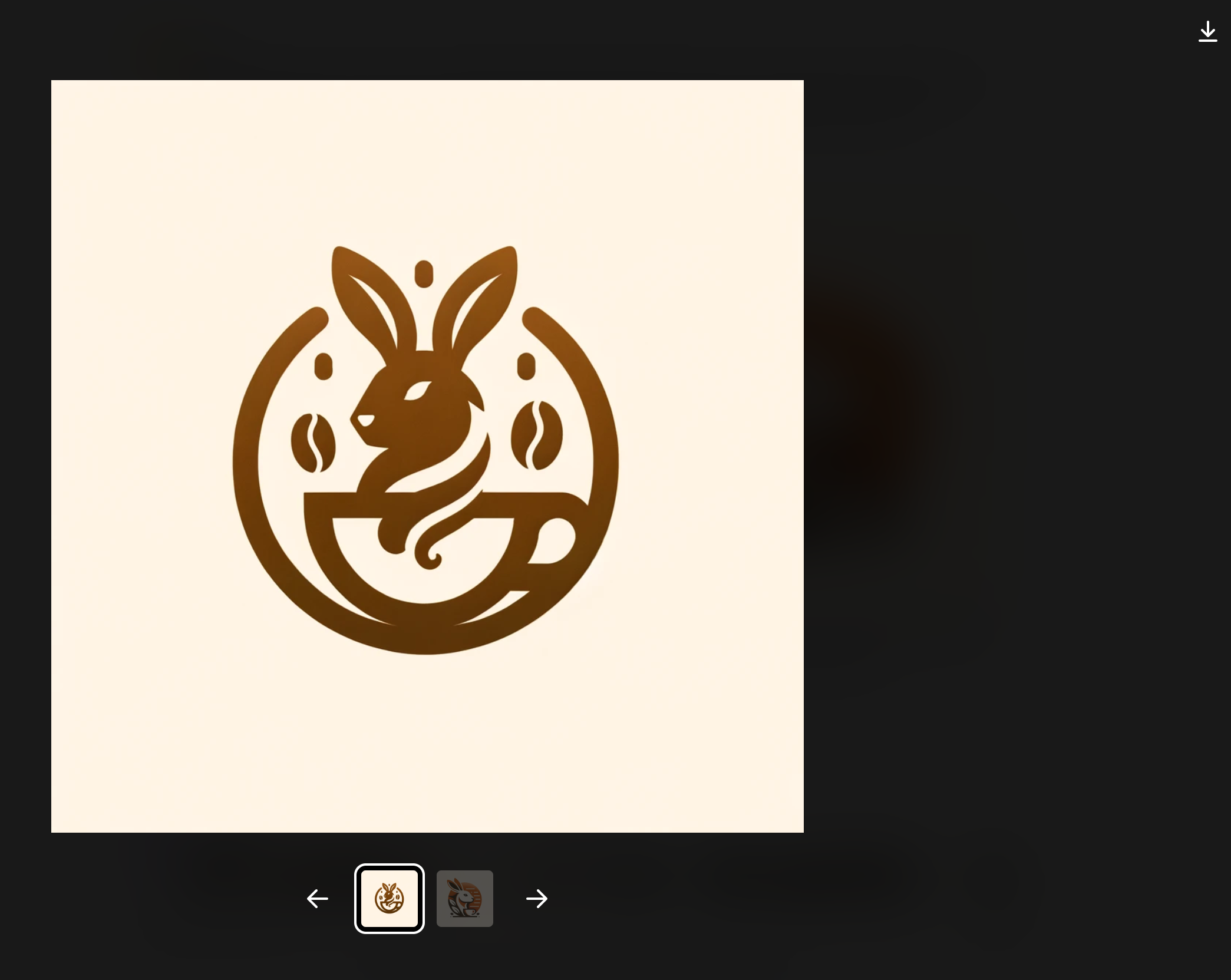
Examples of prompts
Prompt: My business partner and I are creating a coffee shop inspired by our mutual love for rabbits. We have a logo we like a lot that is minimalist with a rabbit, but anxious to get your take on it.
Answer: 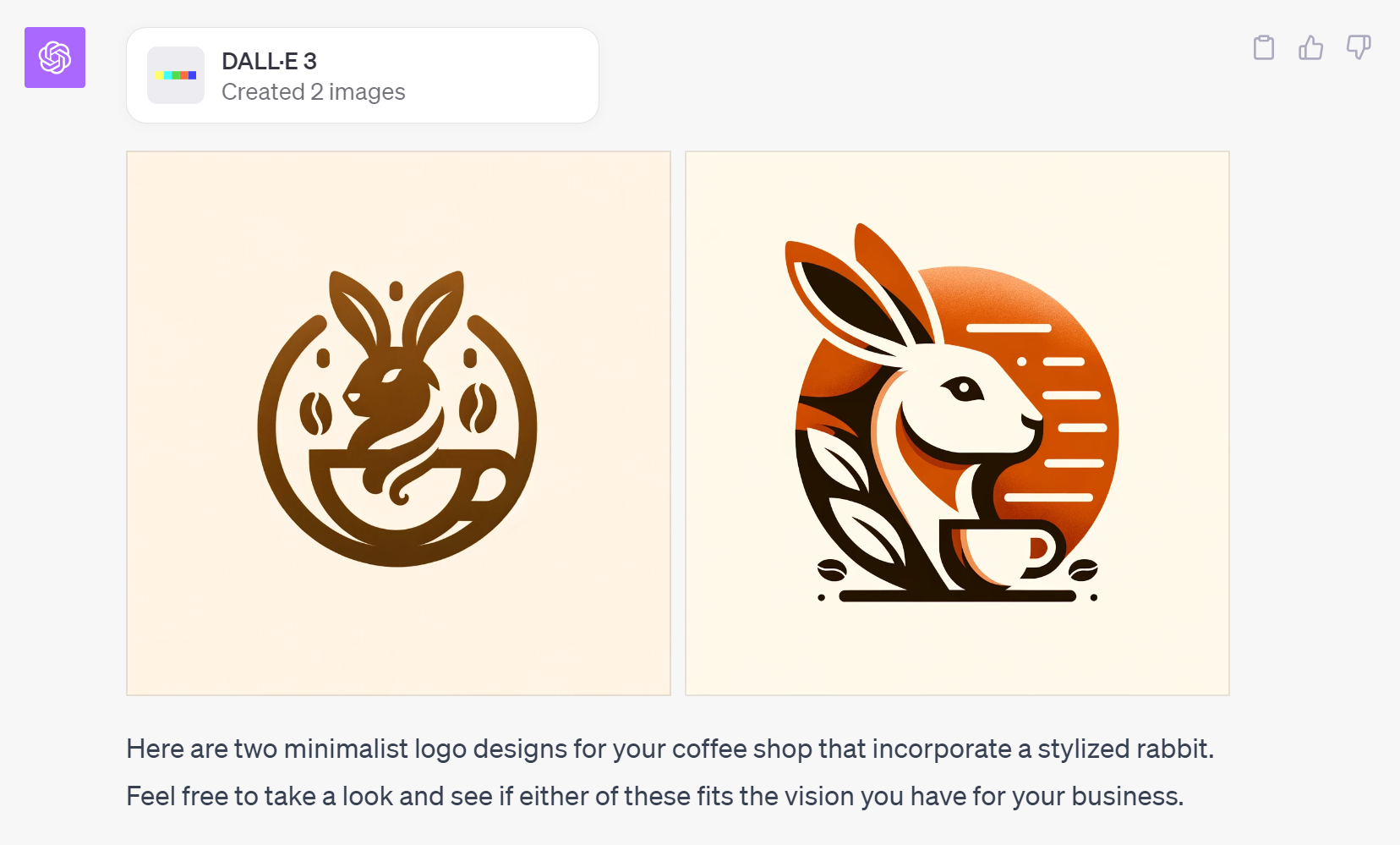
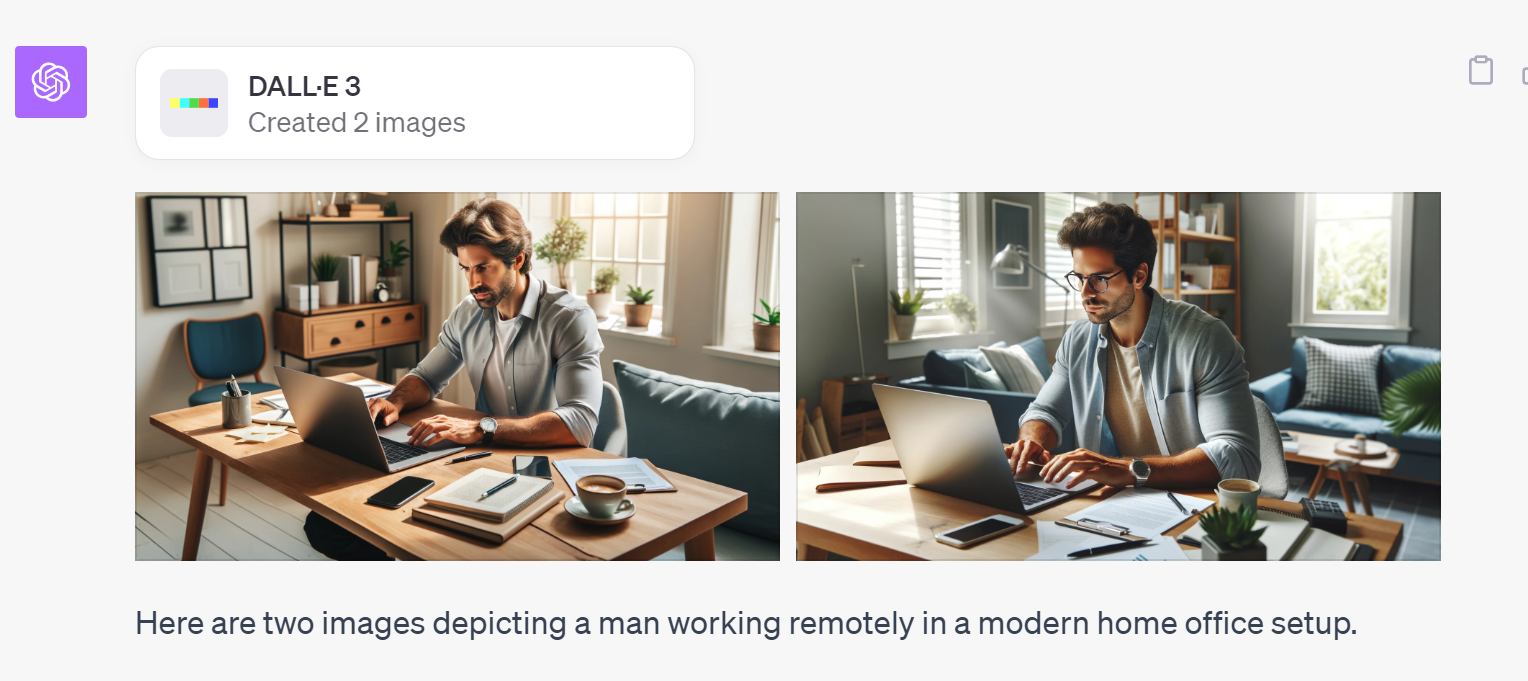
Prompt: Can you make a stock photo of a man working remotely?
Answer:
Prompt: I need a navy blue background image for a PowerPoint presentation that contains a running man in the park
Answer: 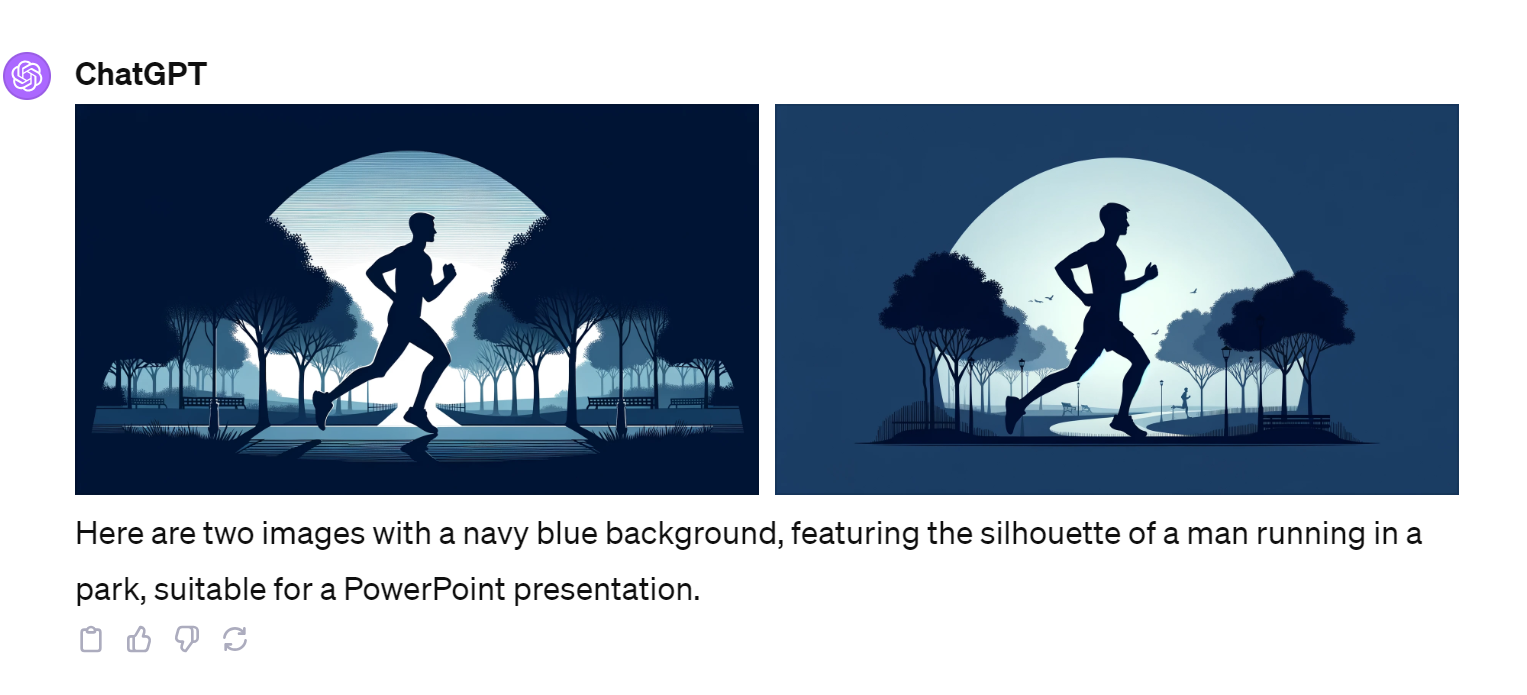
Conclusion
In conclusion, the integration of DALL-E with ChatGPT represents a transformative moment in the democratization of AI-driven creativity. This synergy allows users to effortlessly generate images from text descriptions, making advanced AI technology accessible to a broader audience. DALL-E, named in homage to Salvador Dalí and WALL-E, showcases the power of AI to understand and interpret human language into detailed, context-aware visuals.
With DALL-E now a feature within ChatGPT, the process of visualizing concepts has become intuitive and straightforward. Users can simply articulate an image idea during their chat and see it realized by the AI, within the bounds of ethical guidelines and copyright respect. This capability extends across numerous domains, enhancing educational experiences, streamlining design and marketing processes, and enriching storytelling in entertainment.
The combination of ChatGPT and DALL-E 3 not only underscores the advancements in AI’s ability to generate complex visual content but also raises important discussions around ethical AI usage and the protection of creative expression. As the adoption of such technology expands, its implications will continue to shape the landscape of AI in creative industries and beyond, highlighting OpenAI’s commitment to beneficial and responsible AI development.