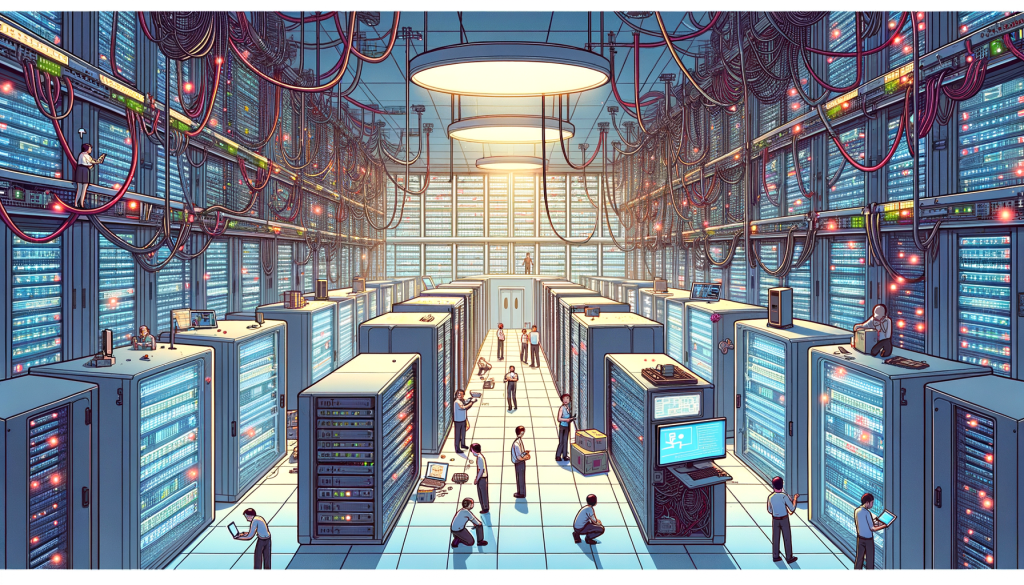
The report reveals that all AI datacenters in the U.S. are vulnerable to Chinese espionage, posing risks not only to tech companies but also to national security amid rising geopolitical tensions. Authored by Edouard and Jeremie Harris of Gladstone AI, the report highlights that current datacenters are susceptible to both sabotage and theft of sensitive AI models. It cites past attacks on U.S. tech company datacenters, emphasizing the potential for significant disruptions. Critical components for these datacenters are largely produced in China, which could exploit delays in shipments to target U.S. facilities. Despite some improvements in security at AI labs, vulnerabilities remain, with insiders noting a cultural tendency prioritizing speed over security. Furthermore, the report warns that advanced AI models themselves could pose a risk, potentially escaping containment measures. It stresses the necessity of developing secure facilities for future advancements in AI to prevent exploitation by adversaries. The authors advocate for proactive measures to enhance security before pursuing superintelligent AI development. Overall, the findings call for urgent action to address these vulnerabilities and safeguard U.S. interests.